

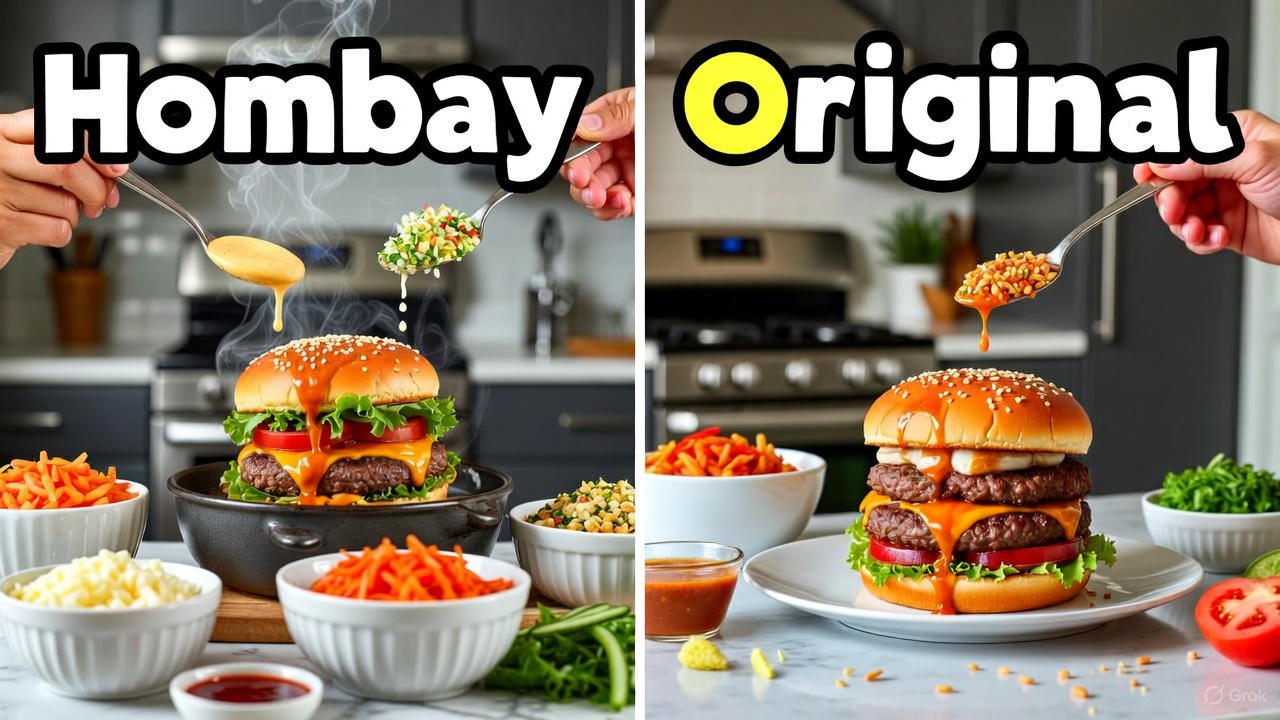
Recreating Viral Dishes at Home — How Did It Turn Out? In 2025, TikTok, Instagram, and YouTube aren’t just platforms—they’re virtual kitchens. Every day, millions of home cooks attempt to recreate viral dishes that sweep across social media. From rainbow bagels to souffle pancakes, from crispy cheese crusts to gooey ramen hacks, viral recipes inspire excitement, creativity, and sometimes a little chaos in home kitchens. But what happens when you try to replicate these dishes yourself? How do they actually turn out? Are they as visually stunning and flavor-packed as they appear online? This article explores the phenomenon of viral food trends, the challenges and triumphs of recreating them, and tips to improve your at-home results. Why Viral Dishes Capture Our Attention 1. Visual Appeal Viral dishes are designed to stop your scroll. Bold colors, dramatic textures, and over-the-top presentations instantly grab attention. 2. Novelty Factor These dishes often combine flavors, textures, or cooking methods in unexpected ways—think pickle pizza, cloud bread, or protein coffee. 3. Relatability Many viral recipes use accessible ingredients or pantry staples, making viewers think, “I could make that at home.” 4. Engagement & Social Proof The sheer number of likes, shares, and comments on a viral dish creates a psychological pull. If everyone is talking about it, we want to try it too. The Challenges of Recreating Viral Dishes Despite the hype, replicating viral recipes at home is not always straightforward. Common hurdles include: 1. Ingredient Accessibility Some viral dishes use hard-to-find ingredients or trendy products that may not be available locally. 2. Equipment Limitations High-speed blenders, air fryers, silicone molds, or professional ovens are often used in viral recipe videos, which home kitchens might lack. 3. Skill & Technique Many viral dishes rely on precision techniques—folding batter just right, achieving the perfect sizzle, or creating a flawless cheese pull. 4. Time & Patience Short-form videos often condense hours of work into 30-second clips, making the process seem simpler than it is. 5. Expectations vs. Reality Even if you follow the recipe perfectly, lighting, plating, and editing in the original video can make it look far better than real-life results. The Joy of Attempting Viral Dishes Despite these challenges, recreating viral recipes is rewarding: Learning New Techniques: You often discover new cooking methods and flavor combinations. Creative Experimentation: Recipes can be tweaked to suit taste, dietary needs, or ingredient availability. Social Sharing: Successfully recreating a viral dish is immensely satisfying to share online with friends and followers. Entertainment Value: Even “fails” are funny, relatable, and part of the fun. Popular Viral Dishes and How They Usually Turn Out at Home 1. Cloud Bread Expectations: Fluffy, pastel-colored, almost marshmallow-like clouds. Reality: Often collapses if overmixed or overbaked; achieves more texture than height. Tips: Use fresh eggs, gentle folding, and proper oven temperature. 2. Feta Pasta Expectations: Creamy, baked pasta with a golden tomato-feta blend. Reality: Sometimes the sauce is too watery or the cheese doesn’t fully melt. Tips: Roast the tomato and feta until slightly caramelized and stir gradually to thicken. 3. Sushi Bake Expectations: Layered, perfectly portioned sushi flavors in a casserole. Reality: Tends to be messy if overstuffed, and sushi rice can dry out. Tips: Keep rice slightly sticky and layer ingredients evenly. 4. Ramen Hacks (Cheesy or Stir-Fried) Expectations: Crispy, stretchy, and perfectly coated in cheese. Reality: Sometimes noodles stick together or the cheese doesn’t melt evenly. Tips: Separate noodles, preheat the pan, and monitor cheese closely. 5. Pickle Pizza Expectations: Crispy crust, balanced tangy-sweet flavor. Reality: Pickles can release excess water, making the crust soggy. Tips: Drain pickles well and bake longer for crunch. The Science Behind Why Viral Dishes Go Wrong 1. Moisture Management High moisture from sauces, fruits, or vegetables often prevents crisp textures. 2. Temperature Control Oven and pan temperatures affect browning, texture, and melting. 3. Ingredient Substitutions Using cheaper or different substitutes may alter taste or appearance. 4. Timing & Layering Many viral dishes rely on specific sequences for texture. Incorrect timing can flatten layers, burn toppings, or cause sauces to separate. Tips to Improve Your Viral Dish Recreation
“Recreating Viral Dishes at Home — How Did It Turn Out?”


RELATED ARTICLES